- M.2 NVMe PCIe x4 Adapter for Extra Long 110 Module / UGT-M2PC110 Dual M.2 SSD RAID PCIe x4 Host Card / UGT-M2PC300R M.2 NVMe PCIe x4 Low Profile Adapter with 110 Length Support / UGT-M2PC130 M.2 NVMe PCIe x4 Adapter with ARGB Heat Sink / UGT-M2PC12-RGB NexStar® HX, 3.5' SATA III Hard Drive Enclosure USB 3.0 with Fan / NST-387S3-BK USB 3.0 Multi-Card Reader UHS-II (SD 4.0, Multi-LUN) / UGT.
- A Bluetooth Driver is a software program that allows your operating system to communicate with a Bluetooth device and vice-versa. Bluetooth Device Drivers are operating system and device specific.
- Choose Hardware tab. Click on Device Manager button. 4 Find your USB Bluetooth Driver (CSR) device in the list and press double click on the usb device. Click Reinstall driver button. 5 Choose Install from the specific location and click on the Browse button.
Bluetooth support for RPi 3 B - the bus speed is limited as the RTS/CTS lines are not exposed (the driver may crash regardless) CYW43455 UART Bluetooth: cywbtserialbus.sys: Partially working: Bluetooth support for RPi 3 B+ - the bus speed is limited until hardware flow control support is added in the PL011 driver. Turn off your Bluetooth device, wait a few seconds, then turn it back on. Make sure your Bluetooth device is in range. If your Bluetooth device is unresponsive or sluggish, check to make sure it’s not too close to any other USB device that’s plugged into a USB 3.0 port. Unshielded USB devices can sometimes interfere with Bluetooth connections.
How to Manually Download and Update:
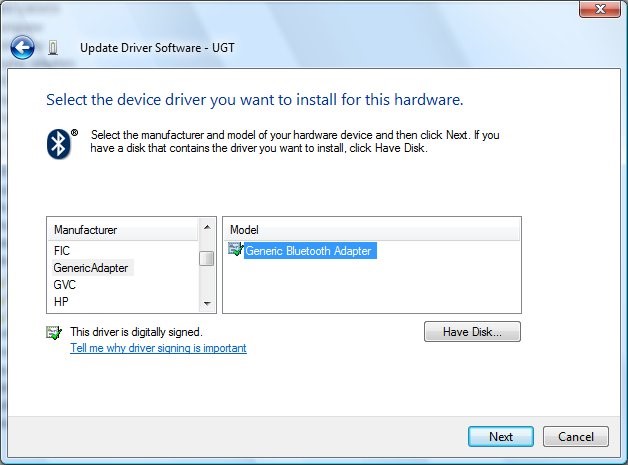
UGT Bluetooth Devices Driver
This built-in UGT Bluetooth driver should be included with your Windows® Operating System or is available through Windows® update. The built-in driver supports the basic functions of your UGT Bluetooth hardware. Click here to see how to install the built-in drivers.Ugt Bluetooth Devices Drivers
| Manufacturer: | UGT |
| Hardware Type: | Bluetooth |
| Operating Systems: | Windows XP, Vista, 7, 8, 10 |
Optional Offer for DriverDoc by Solvusoft | EULA | Privacy Policy | Terms | Uninstall | |
How to Automatically Download and Update:
Recommendation: We highly recommend using a tool like DriverDoc [Download DriverDoc - Product by Solvusoft] if you are inexperienced in updating UGT Bluetooth device drivers. DriverDoc takes away the hassle and headaches of making sure you are downloading and installing the correct UGT's drivers for your operating system.
When you use a driver updater such as DriverDoc, not only does it update your Bluetooth drivers, but it also keeps the rest of your PC drivers updated as well. With a database of over 2,150,000 drivers (updated daily), you can rest assured your hardware is covered.
ABOUT SSL CERTIFICATES |
Optional Offer for DriverDoc by Solvusoft | EULA | Privacy Policy | Terms | Uninstall
UGT Update FAQ
What do UGT Bluetooth Device Drivers do?
These tiny software programs called 'device drivers' provide the means for your UGT device to communicate clearly with your operating system.
What Operating Systems are Compatible with UGT Drivers?
How do I Update UGT Drivers?
The two primary ways to update UGT drivers is manually with Device Manager, or automatically using a driver update software.
What are Benefits and Risks Associated with Updating UGT Drivers?
Updating your Bluetooth drivers can increase PC performance, unlock hardware features, and fix any incompatabilities. Risks of Installng the wrong UGT drivers include software crashes, loss of features, PC freezes, and system instability.
Intel has released updated Wireless Bluetooth and Wi-Fi drivers for Windows 10 customers to address known issues causing blue screen of death (BSOD) errors and Bluetooth devices to lose connection or stop working.
Users are urged to update their drivers to the newly released Wi-Fi (Intel PROSet/Wireless Software 22.10.0) and Wireless Bluetooth (Intel Wireless Bluetooth 22.10.0) drivers given that besides functional updates and bug fixes, they also include security updates.
Fixed Bluetooth and Wi-Fi issues
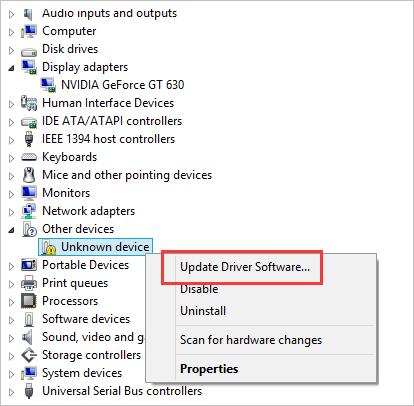
First of all, the new drivers address Windows 10 stop errors (aka BSODs), yellow bang warnings in Device Manager, as well as random disconnections while playing online videos caused by Intel Wireless adapters with faulty drivers.
Bluetooth devices with affected drivers such as mice, keyboards, headsets, or styluses would also stop working on some systems if connected simultaneously or would inadvertently lose connection mid-use.
On other systems, Bluetooth devices would 'show a yellow bang in Device Manager after rebooting or resuming from Sleep/Hibernation mode.'
Similarly, on other systems, impacted devices would show yellow bangs and would also disappear from Device Manager after resuming from idle mode after several hours.
Some devices may also experience 'No Advertisement' issues after some time of BLE scanning while using the TruU application Intel says.

The full list of supported products and driver versions released by Intel to fix these issues is available in the Wi-Fi and the Wireless Bluetooth drivers' release notes.
Fixes for security issues
Intel also addressed 95 security vulnerabilities as part of last month's Patch Tuesday including critical ones affecting Intel Wireless Bluetooth products and Intel Active Management Technology (AMT).
The critical security flaw tracked as CVE-2020-12321 is rated with an almost perfect CVSS severity base score of 9.6/10 and it affects only some Intel Wireless Bluetooth products.
This bug is an improper buffer restriction in Wireless Bluetooth products before version 21.110 that allows for unauthenticated escalation of privileges via adjacent access (Local Area Network only).
Microsoft has also released a batch of Intel microcode updates for Windows 10 20H2, 2004, 1909, and older versions to address newly discovered vulnerabilities in Intel CPUs (including PLATYPUS).